• AI assistants & copilots
  • AI agents
  • Enterprise SaaS
  • Automation

AI product design
for complex B2B software

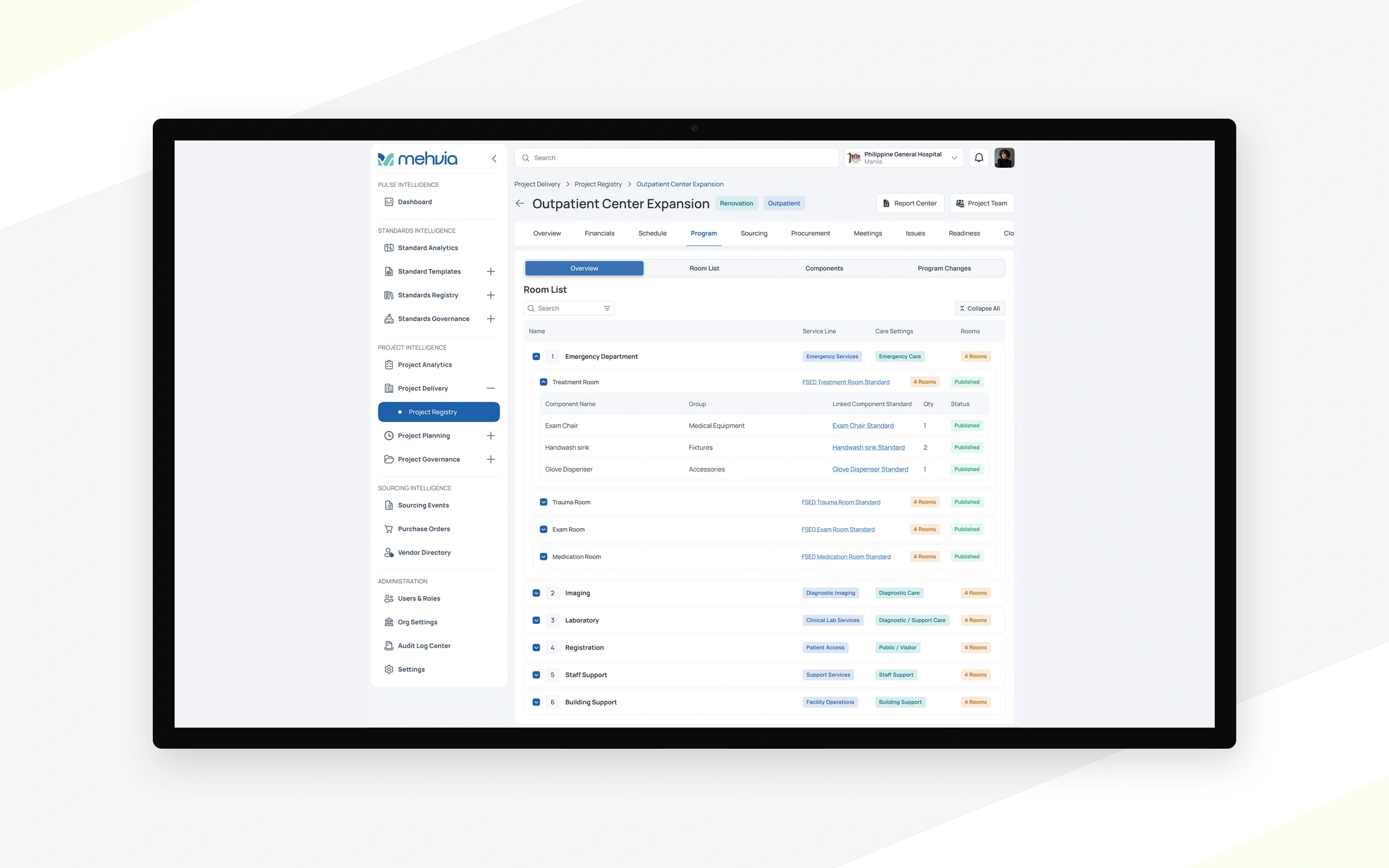
We design interfaces for AI assistants, agents and analytics tools. We work out where a suggestion belongs in a user’s workflow and how the person can review, correct or act on it.

Trusted by

gamecheck.svgsteelseriesteleportshipsciencechirpzen-operatorinformed-decisionscrowdstakememorasynativapex-bluefinflowlinkdealprospexswagyuwefly

Powerful AI needs a product
people can actually use

Even advanced technology struggles to deliver value when the experience is confusing, unpredictable or hard to control. We help B2B teams solve the UX problems behind everyday AI use.

  • Users try AI once, then leave.

    People don’t see where to start, what the AI feature does or how it fits their daily work.

    How we helpGuided onboarding, clearer user journeys and first-use experiences that help people reach value sooner.

  • Users don’t trust AI-generated results.

    Unclear answers, missing context and unexpected results make AI hard to rely on.

    How we helpStructured results, relevant references, feedback and fallback states where the product supports them.

  • AI automation feels out of control.

    Users need to see what an AI agent can do, what it has done and when approval is needed.

    How we helpReview flows, permissions, approval steps and controls for AI-driven actions.

  • AI features make the product more complex.

    New AI tools add settings, screens and interactions to software that is already hard to navigate.

    How we helpAI built into existing workflows, with consistent navigation and reusable patterns.

Across Nexa’s projects
since 2023

Projects delivered

300+

Related B2B work

Built for complex
products and workflows

These B2B projects show how we organise data-heavy screens and decisions that people need to review.

Explore all cases

AI products
for real business needs

From standalone AI applications to intelligent features in existing software, we design interfaces that connect AI capabilities to the work people need to do.

We understand
the product behind the AI

The way we work depends on where your product is. Pick the stage that fits to see the flow.

  1. We map user roles, permissions, business rules and product requirements before defining how the interface should behave.

    • Roles
    • Rules
    • Requirements
  2. We design AI interactions around the tasks people complete every day, not around technology demos.

    • User flows
    • First-use experience
  3. Reusable components and consistent interaction patterns support new functionality as your product grows.

    • Tokens
    • Components
    • Type scale
  4. Organised Figma files, prototypes, component states and specifications help engineering teams build the experience.

    • Figma files
    • States
    • Specs
  1. We review the current product and find what blocks users most.

    • Usability issues
    • Priorities
  2. We agree on the visual direction before touching real screens.

    • Colours
    • Type
    • References
  3. Key screens get the new colours, type and proportions.

    • Key screens
    • Visual direction
  4. The redesigned product, working with real states, filters and drill-downs.

    • UI screens
    • States
    • Prototype
  5. Optional. We simplify the flows that slow people down, like long checkouts or setups.

    • Optional
    • Shorter flows
  1. Your team shares what is needed this sprint: new features, changes, roles.

    • Tasks
    • Priorities
  2. Our designer turns the request into layouts and screens inside your process.

    • Wireframes
    • Screens
  3. Your team leaves comments right on the mock-ups.

    • Comments in Figma
  4. We work through every comment and mark it done, then hand over.

    • Updated screens
    • Handoff

How an AI design
project runs

Four stages, from your requirements to files your developers can build from. The board shows what we do at each stage and where we need your team.

Step 01 / 04

Product requirements

We review your product, audience, goals, technical constraints and the AI capabilities you already have.

Architecture and flows

We organise user roles, AI interactions, complex workflows and the information architecture around them.

UI design and prototypes

We design interfaces, interaction states and clickable prototypes for the key scenarios.

Validation and handoff

We review critical use cases with your team and prepare agreed specifications for implementation.

YouContext, feedback and sign-off

Product & data accessFlow sign-offReviews & sign-off

Analysis & UXRequirements, roles and flows

Requirements reviewAI capabilities & limitsUser roles & permissionsAI interaction flowsInformation architecture

UI designScreens, states and components

UI screensAI statesComponents

Prototype & handoffBehaviour in context

Clickable prototypeCritical use-case reviewSpecifications
  • Your team
  • Nexa
  • Key deliverable

Stage by stage

  1. 01Product requirements

    • Product & data accessYou

      Access to the product, analytics and technical docs, plus what your ML team knows about the model.

    • Requirements reviewAnalysis & UX

      Business goals, users, technical constraints and the decisions AI should support.

    • AI capabilities & limitsAnalysis & UX

      What the model can and cannot do, and where people need to check or correct a result.

  2. 02Architecture and flows

    • Flow sign-offYou

      You confirm the journeys and roles, with your engineers on what the data and the model allow.

    • User roles & permissionsAnalysis & UX

      Who sees what, who approves AI actions and who changes the settings.

    • AI interaction flowsAnalysis & UX

      Requests, suggestions, human review and the way back when a result is wrong.

    • Information architectureAnalysis & UX

      Navigation and the screen map for complex, data-heavy workflows.

  3. 03UI design and prototypes

    • Reviews & sign-offYou

      Your notes on each round of screens and the prototype, and the final sign-off.

    • UI screensUI design

      Final interfaces for the key scenarios, with a clear hierarchy for dense data.

    • AI statesUI design

      Loading, results, low confidence, errors and empty states, designed from the start.

    • ComponentsUI design

      Reusable components with variants, built from the screens.

    • Clickable prototypePrototype & handoff

      Key scenarios you can click through to discuss behaviour in context.

  4. 04Validation and handoff

    • Critical use-case reviewPrototype & handoff

      A walk-through of the cases where a wrong AI result costs the most.

    • SpecificationsPrototype & handoff

      Figma files, component states and agreed specifications your developers can build from.

Launch something new.
Improve what exists.

Whether you are building an AI MVP or adding features to an established platform, our design services adapt to your product stage.

Not sure which one fits? Discuss your project

What clients say after the project

Founders, marketing and product leads on working with our team.

5.0Rated on Clutch
Aerofoils
“They paid attention to every little detail and developed a great understanding of our product and values very quickly.”

10% revenue growth over a quarter

Lasse AssmannHead of Marketing, AerofoilsView case
Gamecheck
“Everything has been perfect.”

20K+ weekly views · +20% sharing

ExecutiveGamecheck
Crowdstake
“We received excellent designs that we could use for product development.”

Dashboards ready for development

Alex GiffordLead Designer, Crowdstake
Software company
“Their agility, the ability to challenge the status quo, and the capacity to suggest better solutions were impressive.”

MVP launched, first early adopters signed

Denys MalykhinCEO, software company
Zen Operator
“Nexa Design provided a great design with fast delivery.”

Figma prototype delivered

Sebastian MartensenCEO, Zen OperatorView case

AI product design
FAQ

Oleh Mukovoz

Still have questions?

Book a 30-minute call with Oleh, our founder.

Book a call
What does an AI product design agency do?

It designs the user experience and interface for software powered by AI: assistants, copilots, agents, automation platforms, analytics tools and AI-powered SaaS applications.

Can Nexa redesign an existing AI product?

Yes. We review existing user journeys, find usability issues, redesign workflows and improve how AI functionality fits into the product.

Can you design AI features for our SaaS platform?

Yes. We design AI-powered features that work with your existing navigation, roles, workflows and design system.

Do you build AI models or focus on UX/UI design?

Our core service is product and UX/UI design. We design the experience around AI capabilities and work with your product and engineering team on implementation requirements.

How do you handle uncertain or incorrect AI outputs?

We plan review flows, error and fallback states, user feedback and human intervention based on the system’s capabilities and risks. Model behaviour is validated with your engineering team.

Can you work with our internal product team?

Yes. Nexa can take on a defined design project or provide ongoing design support alongside your product and development teams.

How can we work with you?

Choose a fixed-price project for an agreed scope, a full-time designer from $4,500/month, part-time design at $35/hour from 10 hours a week, or a Nexa team with a custom scope and time-and-materials billing. We confirm the format and terms in your proposal.


Other industries

Your AI technology deserves
a better user experience

  1. 01

    You tell us about the product

    Book a call or send a short brief. A link and a few lines are enough.

  2. 02

    30-minute call

    We discuss the product, scope, timeline and the format that fits.

  3. 03

    Estimate or a designer match

    You get a fixed-price estimate with stages, or a designer to start in your team.

Oleh Mukovoz, founder of Nexa DesignOleh MukovozFounder · discuss your project
Book a call Write to oleh@nexadesign.agency